Arts in Brisbane
Brisbane, the capital of Queensland, has developed a dynamic and diverse arts scene that reflects the city’s creativity, cultural diversity, and growing international profile. From major galleries and theatres to street art and community festivals, the arts play a significant role in shaping the identity and public life of the city. Over the past few decades, Brisbane has transformed from a relatively quiet cultural centre into one of Australia’s most exciting artistic hubs.
A Cultural Precinct at the Heart of the City
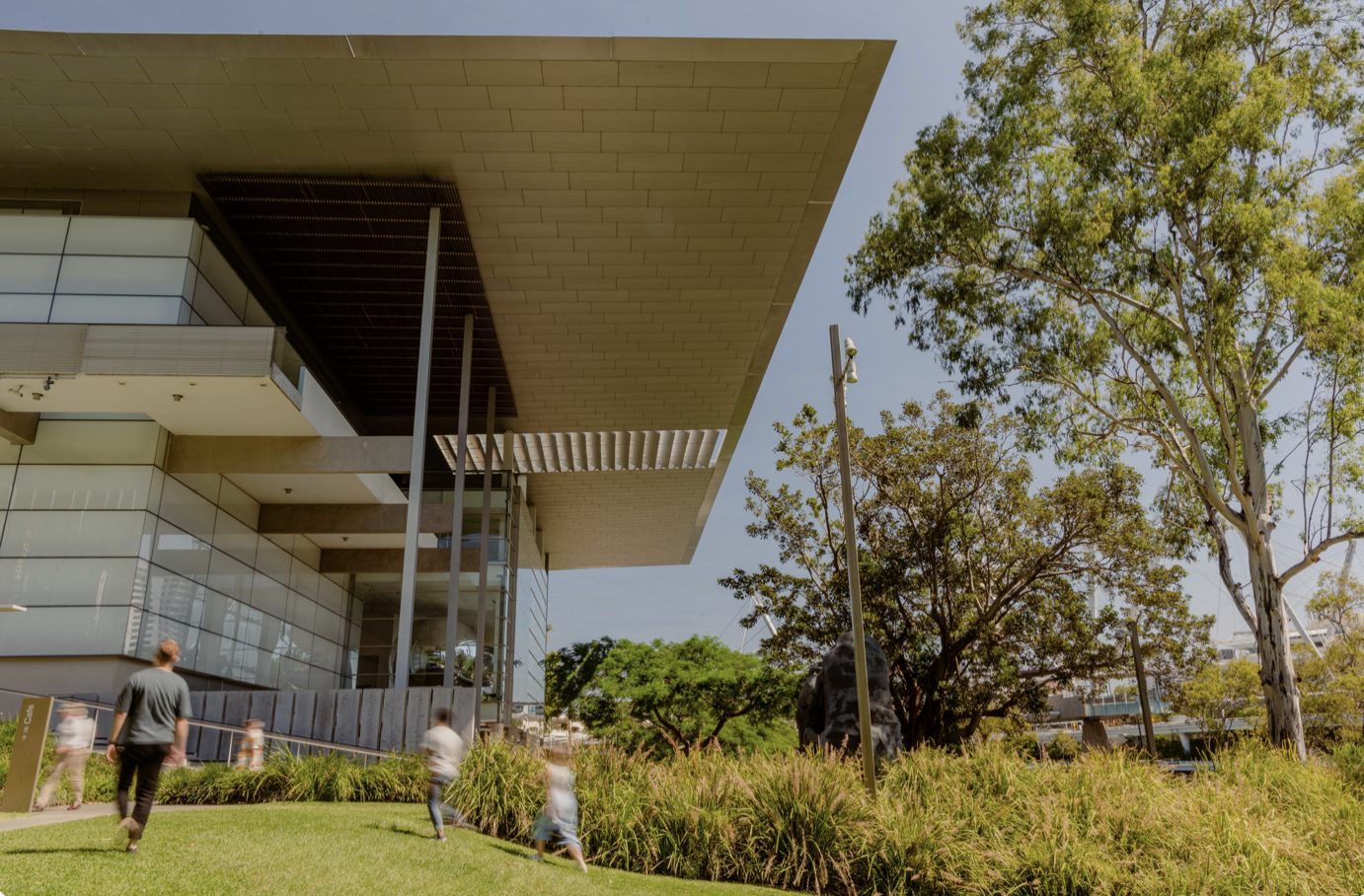
The centre of Brisbane’s visual and performing arts is the South Bank Cultural Precinct. Here, visitors and residents can explore institutions such as the Queensland Art Gallery and the Gallery of Modern Art (often collectively called QAGOMA). Together they form one of Australia’s most important art institutions, presenting both historical and contemporary works with a strong focus on artists from Australia, Asia, and the Pacific.
The Gallery of Modern Art, which opened in 2006, is the largest gallery dedicated to modern and contemporary art in Australia and regularly hosts major international exhibitions and film programs through its Australian Cinémathèque.
Nearby cultural landmarks include the Queensland Performing Arts Centre (QPAC), where audiences can experience theatre, opera, ballet, and large-scale musicals. Brisbane’s performing arts scene is also enriched by venues such as the Brisbane Powerhouse and the Judith Wright Arts Centre, which host festivals, experimental theatre, music, and dance performances.
Galleries and Contemporary Art Spaces
Beyond the major institutions, Brisbane is home to numerous smaller galleries and artist-run spaces that support emerging talent. One important venue is the Institute of Modern Art in Fortitude Valley, which has showcased contemporary art and experimental practices since 1975. The gallery presents rotating exhibitions and publications that highlight both local and international artists.
Another key cultural venue is the Museum of Brisbane, located in City Hall. The museum focuses on exhibitions that explore Brisbane’s history, identity, and contemporary creative life, often commissioning works from local artists.
Public Art and Street Creativity
Art in Brisbane is not limited to galleries and museums. Public art plays a major role in the city’s cultural expression. Brisbane City Council maintains a public art collection of more than 200 artworks, including sculptures, murals, and installations spread across the city and suburbs.
Through programs such as the Outdoor Gallery initiative, artworks are displayed on city streets, light boxes, projections, and public buildings. These projects transform everyday spaces into open-air galleries, making art accessible to everyone.
Street art has also become an important element of Brisbane’s visual culture, particularly in areas such as Fortitude Valley and West End. These neighbourhoods feature colourful murals and artist collaborations that reflect the city’s evolving urban identity.
Festivals and Major Cultural Events
Brisbane’s arts scene comes alive during major events and festivals. The Brisbane Festival is one of Australia’s leading cultural events, featuring theatre, music, visual art, and large-scale public installations throughout the city. In recent editions, public artworks and immersive experiences have transformed Brisbane’s bridges and streets into a city-wide exhibition.
Other important cultural events include exhibitions and programs at QAGOMA, which regularly present large-scale international shows designed to engage audiences of all ages.
A Growing Creative City
As Brisbane prepares for major global events such as the 2032 Summer Olympics, the city is continuing to invest in arts infrastructure and creative industries. New venues and cultural programs aim to attract international audiences while supporting local artists and communities.
Today, Brisbane’s arts landscape is defined by a balance between world-class institutions and grassroots creativity. From contemporary galleries to outdoor installations and experimental performance spaces, the city offers a rich artistic environment that continues to evolve and inspire.